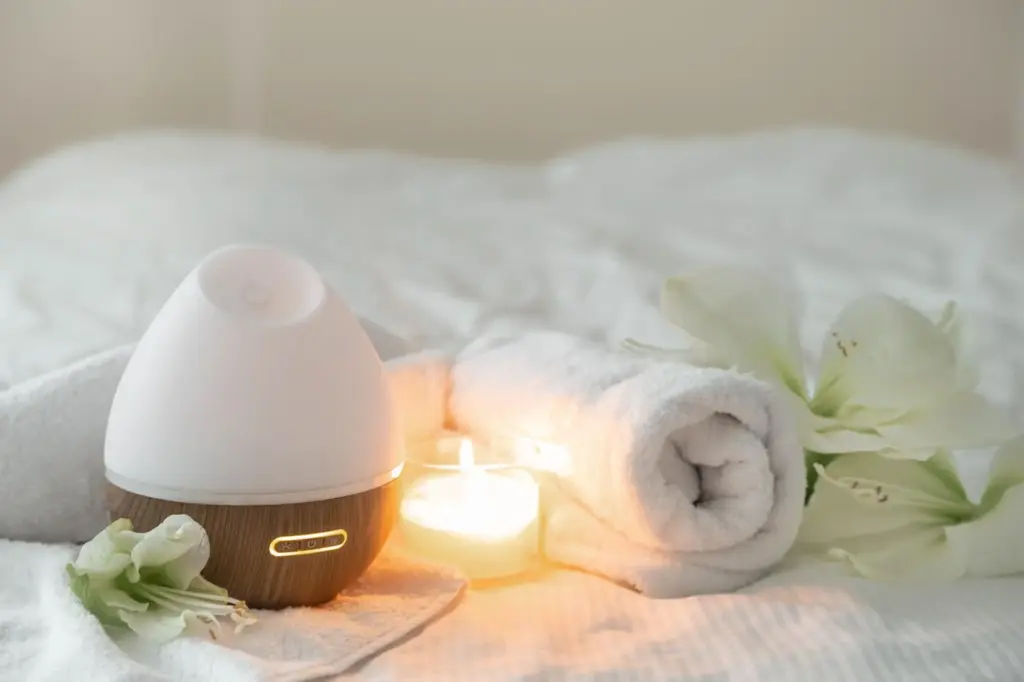
Scent Branding That Welcomes Every Customer

Step inside a practical exploration of scent branding for small shops, where artisan candles turn ordinary visits into memorable, mood-rich experiences. We will connect fragrance choices to brand values, guide safe implementation, share shop-floor stories, and offer ready steps. Add your questions or wins and subscribe to continue the journey with us.

The Science Behind Smell and Emotion

Olfactory pathways connect directly to the limbic system, where memory and feeling entwine. That shortcut explains why a cedar hint can recall coastal boardwalks, or citrus can energize a rainy afternoon. Use this power thoughtfully, aligning note choices with your promise, values, and neighborhood expectations.

Designing an Entryway Aura

The front door sets expectations before a single word is spoken. Position a clean burning candle near circulation, balancing throw with ventilation and natural light. Pair its character with the soundtrack and colors, so every sense harmonizes and gently guides shoppers toward discovery rather than distraction.

Consistency Without Overwhelm

Consistency breeds recognition, yet noses tire quickly. Maintain a modest intensity that rewards close proximity, rotate micro variations within the same accord, and offer clear breathers near seating. This approach sustains identity, respects sensitivities, and keeps returning customers delighted rather than saturated or fatigued during longer visits.

How Scent Shapes First Impressions

First impressions form in seconds, and scent reaches emotion faster than visuals. By choosing artisan candles that echo your voice, you anchor comfort, trust, and curiosity. We cover olfactory science, gentle diffusion, and real storefront arrangements that invite lingering without overpowering busy spaces or sensitive guests.

Translating Brand Values Into Notes

If your voice leans playful and bright, think citrus, tea, or airy florals. For grounded craftsmanship, explore woods, resins, or herbaceous facets. Build a small palette, then blend test tins, asking regulars which impressions surface, and recording alignments between words, moods, seasons, and specific aromatic building blocks.

Selecting Wax, Wick, and Vessel

Each material shapes experience and safety. Coconut or soy blends can carry fragrance smoothly, cotton wicks curb soot, and stable vessels manage heat. Test for tunneling, mushrooming, and uneven pools. Share choices openly, so shoppers understand the care invested and trust grows alongside sensory pleasure and longevity.

Seasonality, Zoning, and Scent Journeys

Mapping the Customer Path With Fragrance

Watch where people pause, compare, and decide. Place nuanced accords at discovery points and quieter blends near service desks. Avoid scent collisions at aisle crossroads. Like lighting, fragrance should layer, not shout, enabling comfortable exploration, gentle orientation, and memorable micro moments that positively reinforce your hospitality promises.

Adapting to Weather and Local Culture

Fragrance travels differently in heat, rain, and frost, and associations vary between neighborhoods. On humid days, lighten intensity or choose breezier profiles. During festivals, honor local memories through respectful nods. Keep backups ready, documenting adjustments so staff replicate results and shoppers feel both recognized and pleasantly surprised.

Keeping Allergies and Sensitivities in Mind

Thoughtful hospitality includes consent. Provide scent free seating, clear notices at entrances, and easy ventilation options. Offer unscented candles or cards describing notes for at home trials. Train staff to assist graciously, and collect discreet feedback so accessibility, comfort, and inclusivity remain central within every fragrant touchpoint.

Storytelling and Merchandising With Candles
Naming That Sparks Imagination

Names act like doorbells for memory. Frame places, textures, or rituals rather than literal lists of notes, then pair a one line origin story. When shoppers smile reading a label, they already smell possibilities, making purchase decisions warmer, easier, and delightfully shareable with friends and returning guests.

Display Rituals That Invite Curiosity

Names act like doorbells for memory. Frame places, textures, or rituals rather than literal lists of notes, then pair a one line origin story. When shoppers smile reading a label, they already smell possibilities, making purchase decisions warmer, easier, and delightfully shareable with friends and returning guests.

Sampling Without Waste

Names act like doorbells for memory. Frame places, textures, or rituals rather than literal lists of notes, then pair a one line origin story. When shoppers smile reading a label, they already smell possibilities, making purchase decisions warmer, easier, and delightfully shareable with friends and returning guests.

Measuring Impact and Iterating Responsibly

Great scent branding feels caring, not manipulative. Track practical signals like dwell time estimates, questions at displays, repeat purchases, and return rates on gifts. Combine numbers with conversations, then refine gently. Maintain ventilation, follow candle safety, and protect choice with clear communication, alternate seating, and scent free service periods.

Simple Metrics for Busy Owners

You do not need lab gear to learn. Mark observer points on a floor sketch, estimate linger time by basket swaps, and track uplift during candle hours versus neutral days. Pair findings with staff notes, photographs of displays, and weather logs to interpret patterns with responsible nuance.

Listening Sessions With Regulars

Invite loyal customers for five minute chats and tea. Ask how certain aromas changed mood, clarity, or gift confidence. Capture words they use, because those phrases should appear on cards, online descriptions, and staff scripts. People support experiences they helped shape, especially when care shines consistently.

Iterate With Small Batches and Logs

Protect cash flow and learning by changing one variable at a time. Keep a binder or shared spreadsheet logging burn times, placement maps, comments, and sales. When a blend resonates, document ratios and steps carefully so future pours, staff training, and replenishment stay reliable and delight remains repeatable.

A One Week Launch Plan for Busy Owners
Momentum matters more than perfection. This simple week long plan helps you pilot a scented experience quickly and kindly. You will define your mood, test safely, train staff, and tell a clear story, inviting feedback while keeping budgets, timing, and community expectations at the center.

Day 1–2: Define Mood, Audience, Boundaries

Start by naming the feelings you want guests to carry out the door, then outline audiences and non negotiables. Decide intensity limits, zones, and alternatives for sensitivities. Draft a short narrative and values list you can share with makers, staff, and neighbors before any candle is tested.

Day 3–4: Prototype and Test Safely

Blend two or three candidate accords with a chandler or kit, label tins clearly, and test with timers, windows, and fire safe routines. Photograph placements, capture words from shoppers, and confirm cleanup steps. Replace testers promptly, and record both delight and discomfort so iterations remain humane and transparent.
Lumalivofaritemilentovirozori
Privacy Overview

This website uses cookies so that we can provide you with the best user experience possible. Cookie information is stored in your browser and performs functions such as recognising you when you return to our website and helping our team to understand which sections of the website you find most interesting and useful.